
Professional Resume WritingThere is a lot involved in creating a professional resume format that is attention grabbing and lands interviews. Did you know that some job postings can bring in as many as 500-1, 000 resumes? In addition to, recruiters will spend between 10 and half a minute reviewing a resume using their major goal being to cut down the piles of resumes that they obtain daily to a workable stack of "keepers". Clearly, there is a great deal of competition out there from other job hunters vying for the same position.
You have to pick to begin your resume writing by deciding on a format. You will find basically 3 different resume types: the chronological resume, the functional resume and the blend resume. Everyone has their advantages and disadvantages which is explained below.
The Chronological Resume Format
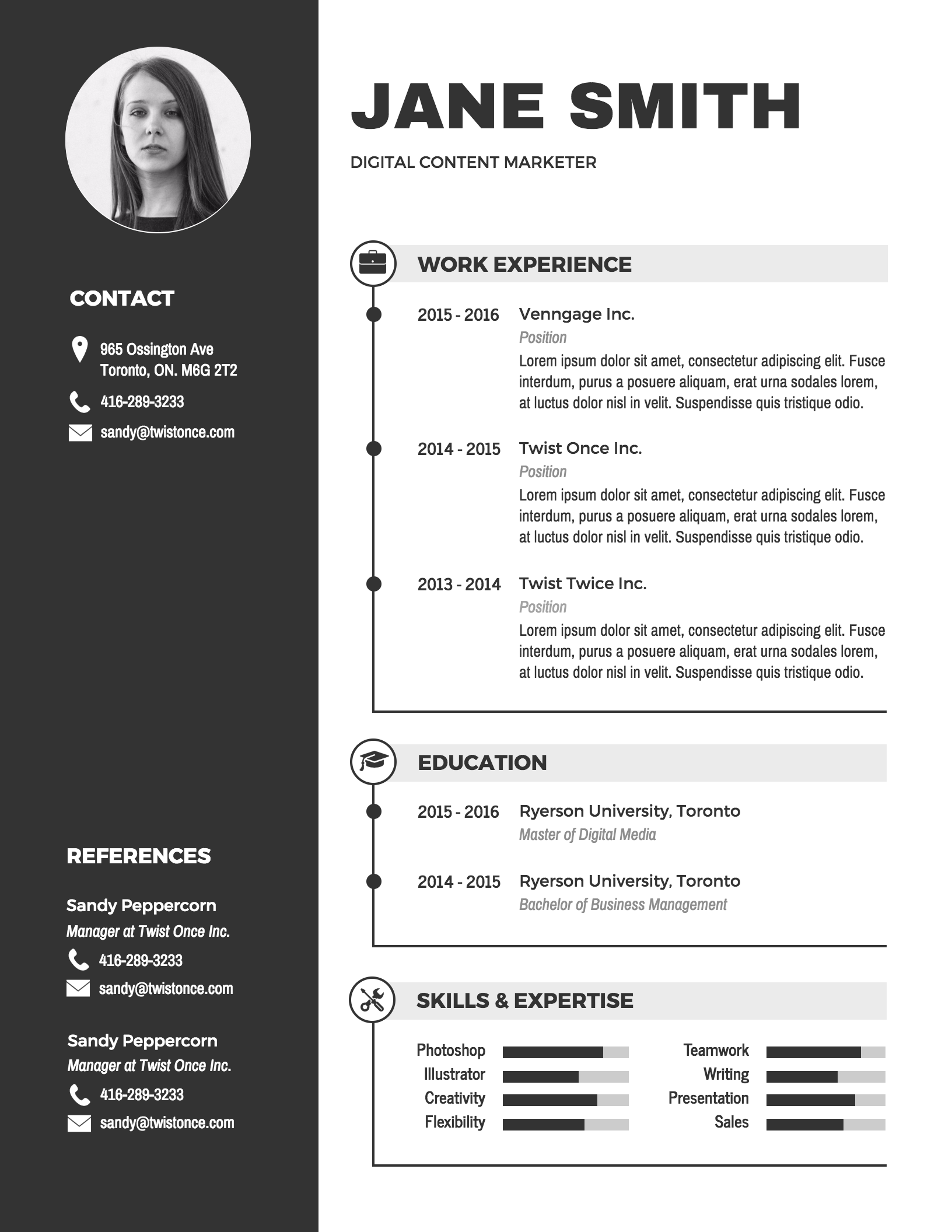
The chronological resume format is the most prevalent and the the one that people are most familiar with. In the chronological format, each of your careers and corresponding descriptions of obligations are listed in chronological order starting with the most recent job. Dates of each job are included on the resume and it usually includes a career objective segment, skills & attributes segment or profile section and an education section.
Typically the Functional Resume Format
The functional resume format is not as common and most often recommended for those who have gaps in their work history or for people who have been out there of the workforce for a while. What is most prominent about this resume format format is the candidate's skills, attributes and accomplishments. A career objective should also be included as well as any educational certification. The actual jobs however , do not include the dates. The career background section will typically be limited to a directory of company names, location of each company and job titles. One advantage to using this format is that it usually reduces the length of the length of a resume. If you've got a 25 year job history and several careers where you've performed most of the same duties, you can imagine how lengthy (ofcourse not to mention repetitive) your resume might get. The functional resume format is a highly effective way to reduce the number of webpages that an employer will have to read and will make your software more impactful. The downside to this resume format is that recruiters abhor it. They get suspect about your job historical past if no dates are included and may toss it in the garbage if it raises too many questions. Although, at one time I used a functional resume because in my chronological resume I had formed gaps in my work history that I suspected were keeping the phone from ringing with interview demands. I changed the format from chronological to practical and the phone started to ring! So, to get the best of both worlds, you might like to try the mixture resume if you've got gaps in your job history or have been from the workforce for a while.
The Blend Resume Format
The mixture resume as its name implies, combines the best of both chronological curriculum vitae and the functional resume. A functional resume format is followed but the job dates are included. The employer is mainly enthusiastic about knowing what value you can bring to the company so that when your first page (or the initial 2/3rds) of your resume can effectively show what value you bring to the company, then any gaps may be overlooked in favour of bringing you set for an interview.
Related Images with 13 Slick and Highly Professional CV Templates Guru
Programmer CV Template

Free downloadable CV template examples, career advice, how to write a CV, curriculum vitae, library

Infographic Resume Template Venngage
4+ latest cv format sample ledger paper


Tidak ada komentar:
Posting Komentar